Anaesthesia Workstation About
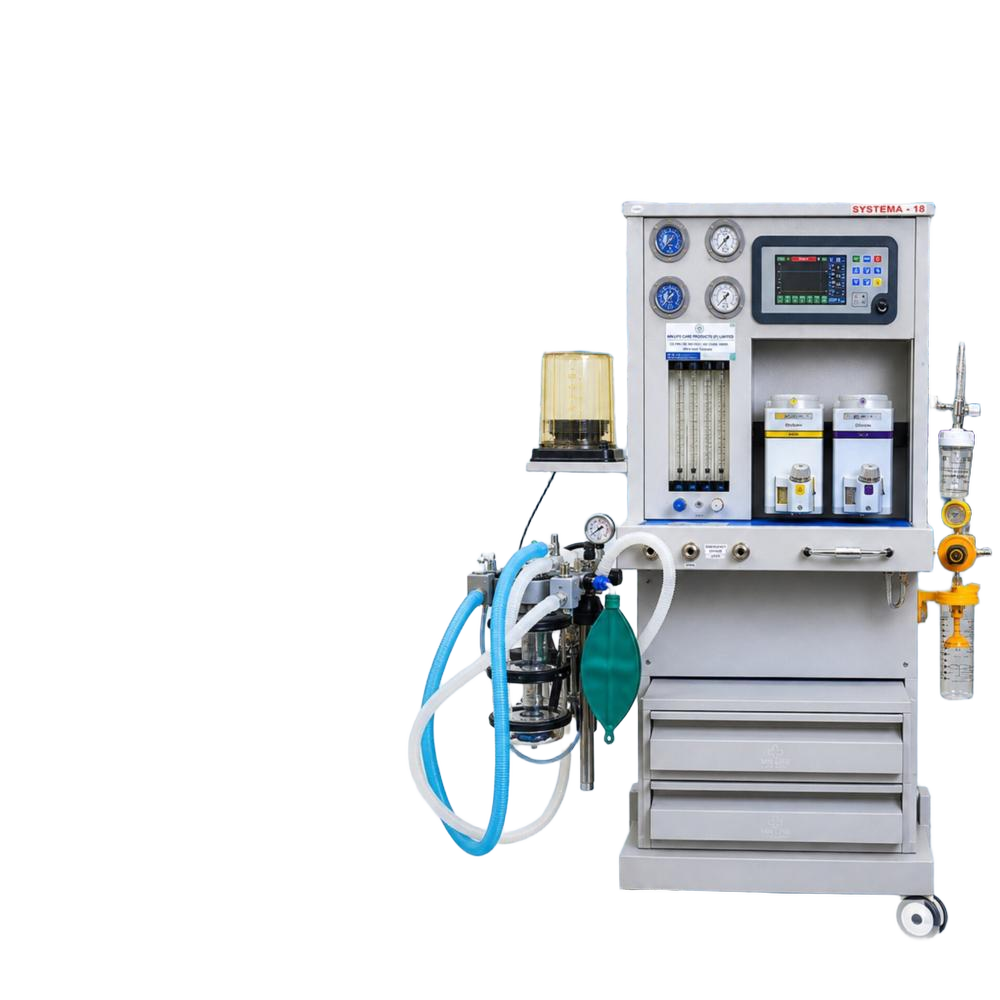
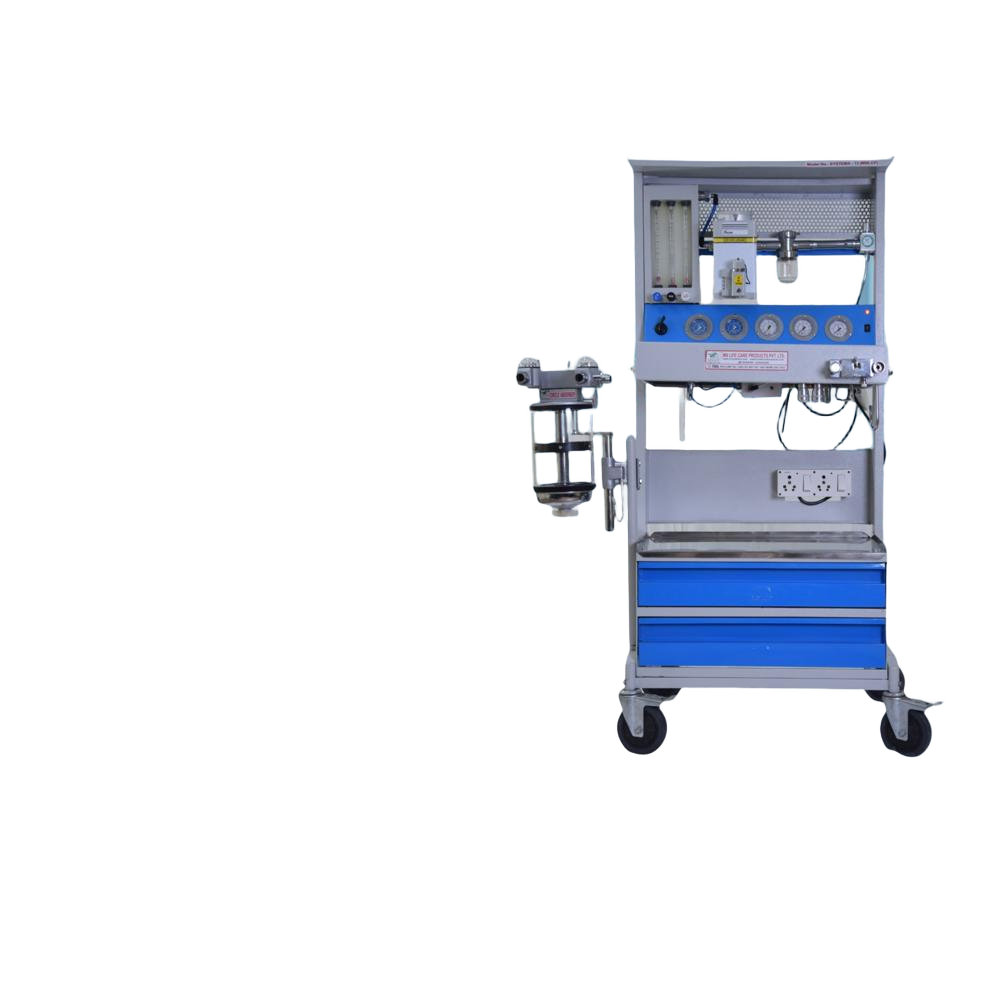
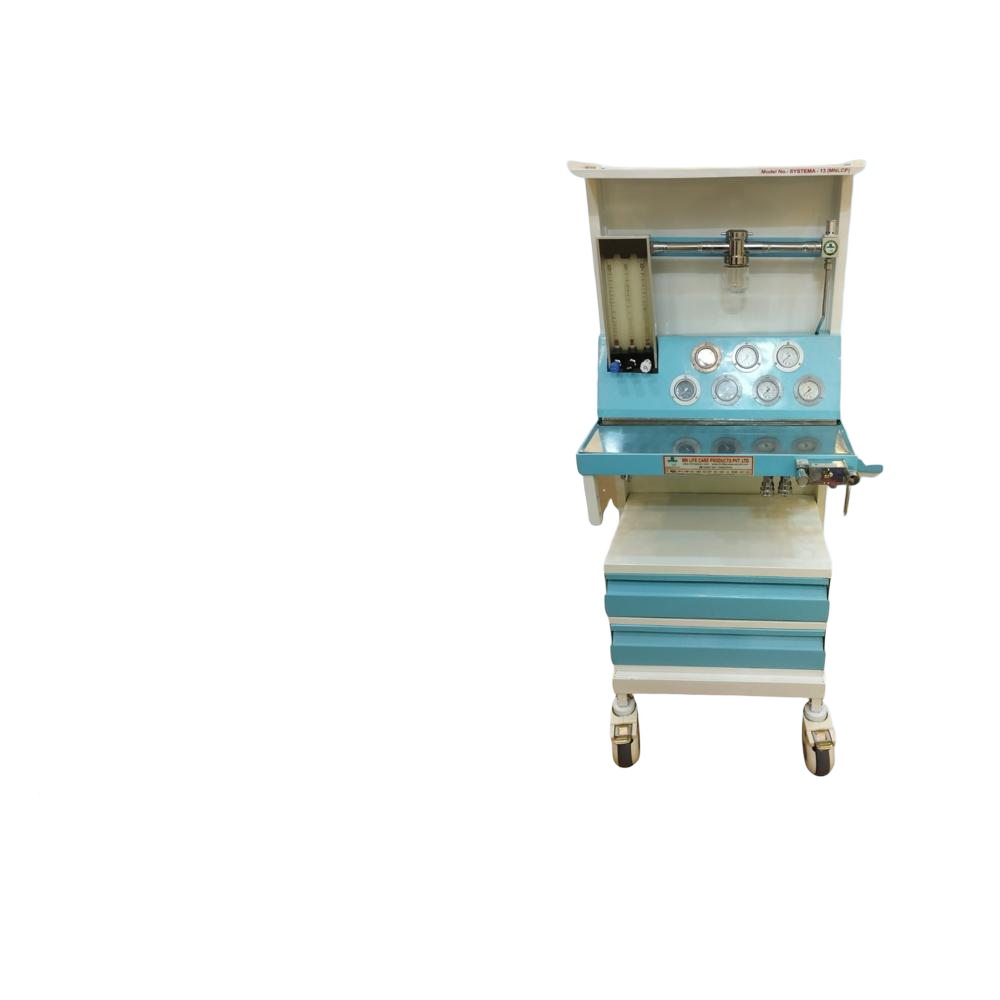
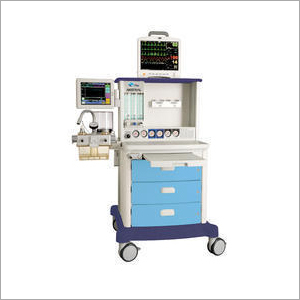
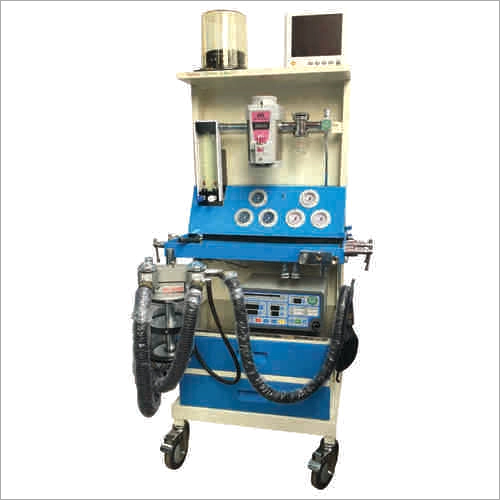
Anaesthesia Workstation, offered by our company, is widely used to deliver oxygen and anaesthetic gases to patient who eliminates carbon dioxide. This system is very easy to install as well as simple to operate. This workstation is manufactured by our experts by making use of premium grade of raw materials and high technology. Our Anaesthesia Workstation is highly liked and appreciated in the market for its great performance. This system requires very low maintenance and replacement costs.This system can be easily availed at reasonable rates, by our valued customers.
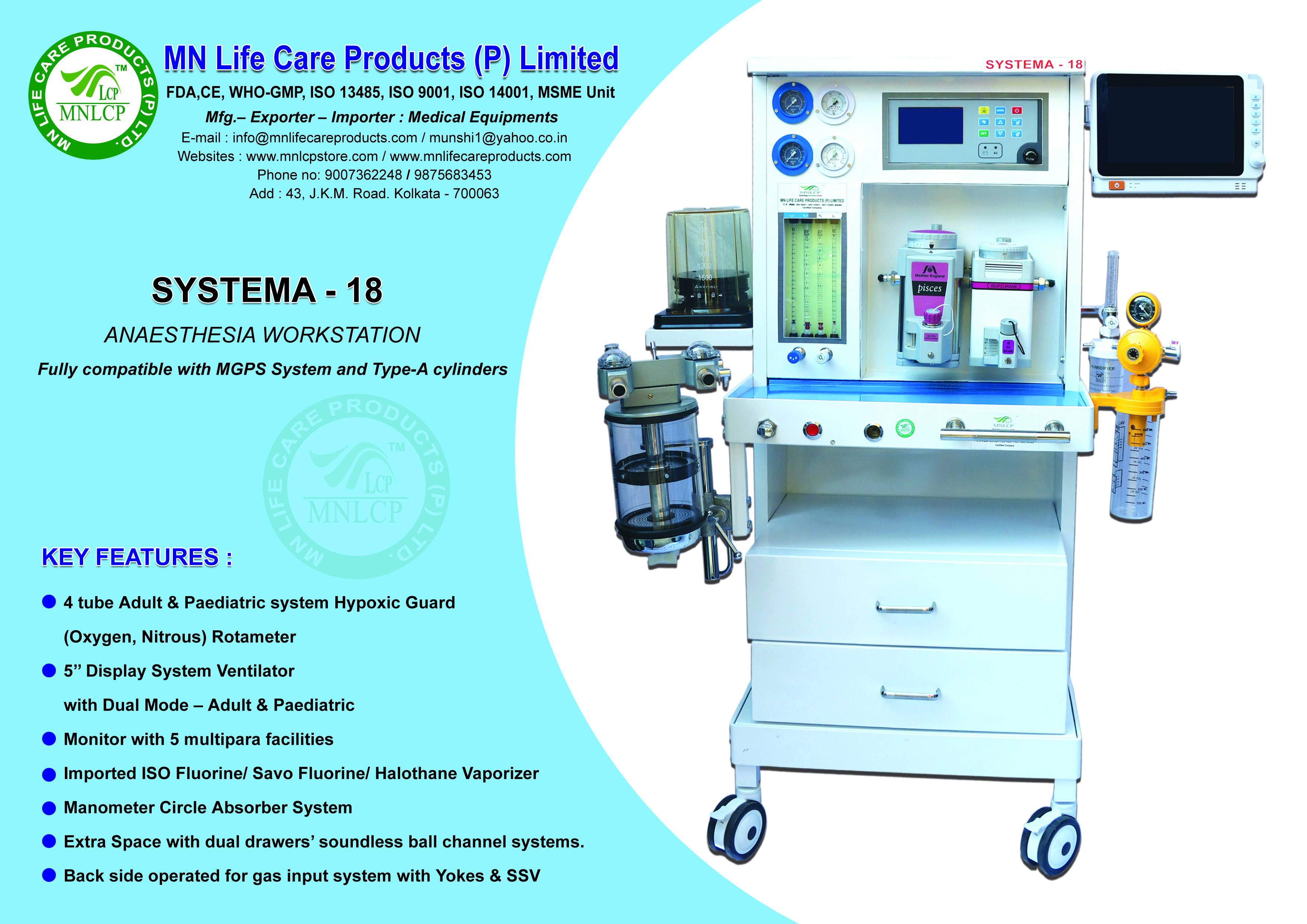
KEY FEATURES
- 4 tube Adult & Paediatric system Hypoxic Guard-Oxygen, Nitrous
- 5 Display System Ventilator with Dual Mode Adult & Paediatric
- Monitor with 5 multipara facilities
- Imported ISO Fluorine/ Savo Fluorine/ Halothane Vaporizer
- Manometer Circle Absorber System
- Extra Space with dual drawers soundless ball channel systems.
- Back side operated for gas input system with Yokes & SS
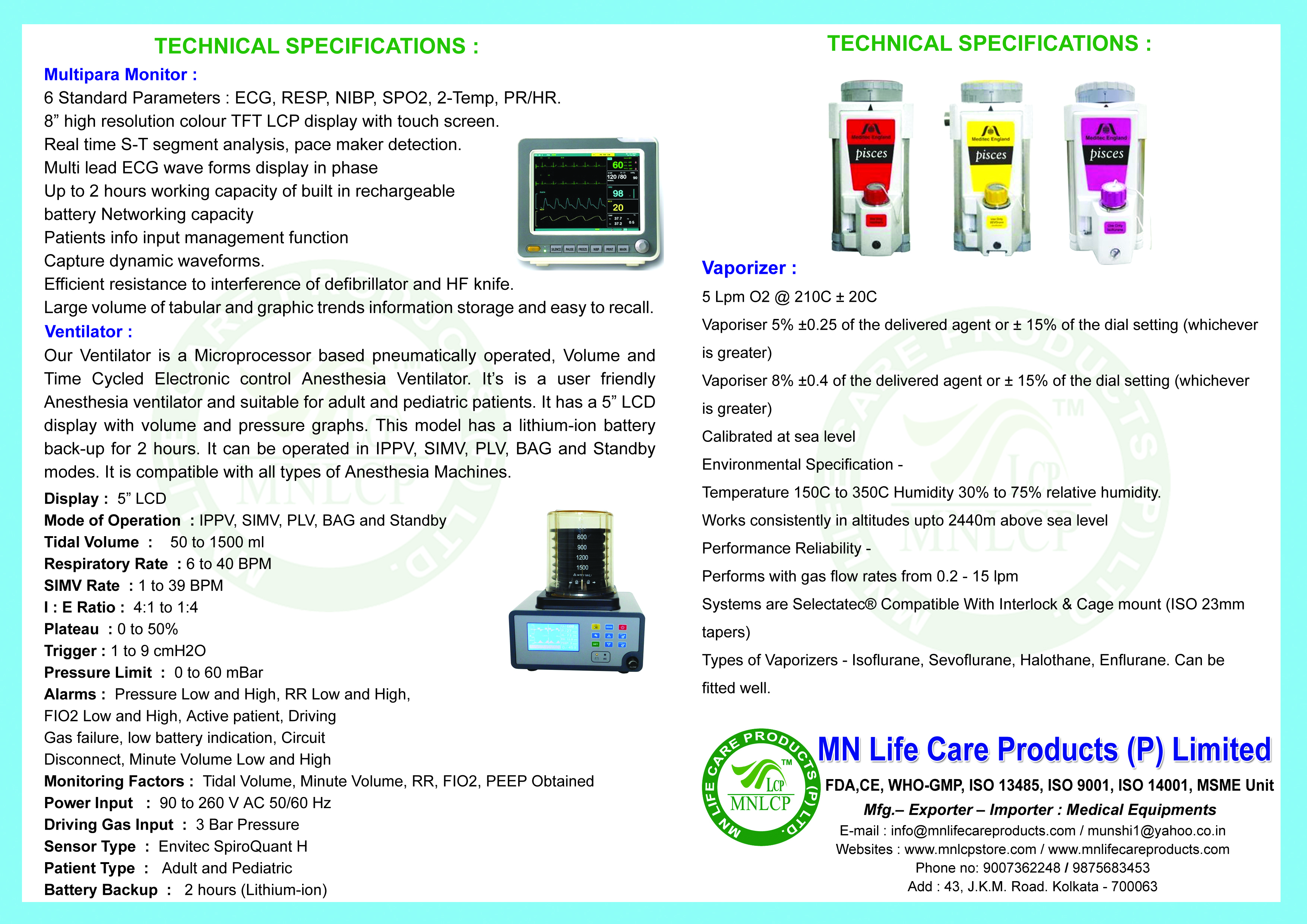
VENTILATOR
- Display : 5 LCD
- Mode of Operation : IPPV, SIMV, PLV, BAG and Standby
- Tidal Volume : 50 to 1500 ml
- Respiratory Rate : 6 to 40 BPM
- SIMV Rate : 1 to 39 BPM
- I: E Ratio : 4:1 to 1:4
- Plateau : 0 to 50%
- Trigger : 1 to 9 cmH2o
- Pressure Limit : 0 to 60 mBar
- Alarms : Pressure Low and High, RR Low and High,
- FIO2 Low and High, Active patient, Driving
- Gas failure, low battery indication, Circuit
- Disconnect, Minute Volume Low and High
- Monitoring Factors : Tidal Volume, Minute Volume, RR, FIO2, PEEP
Obtained
- Power Input : 90 to 260 V AC 50/60 Hz
- Driving Gas Input : 3 Bar Pressure
- Sensor Type : Envitec SpiroQuant H
- Patient Type : Adult and Pediatric
- Battery Backup : 2 hours (Lithium-ion)
Advanced Safety MechanismsThe workstation incorporates a comprehensive safety system including high pressure relief valves, backup oxygen cylinder holder, audio-visual alarms for oxygen failure and low pressure, plus automatic electrical cutoffs. These features are engineered to protect both patients and healthcare professionals during anaesthesia procedures.
Ergonomic & Hygienic DesignConstructed with corrosion-resistant mild steel and stainless steel, the unit features an antimicrobial coated work surface for easy cleaning and enhanced infection control. Four castor wheels, two with brakes, ensure secure mobility throughout treatment areas, while the two-drawer storage provides practical conveniences.
Precision & FlexibilityFlowmeter ranges from 0.110 L/min ensure precise gas administration, with LED digital displays for clear monitoring. The unit supports vaporizer compatibility for a range of anaesthetic agents and integrates seamlessly with ventilators and suction devices, offering versatility for varied surgical scenarios.
FAQs of Anaesthesia Workstation:
Q: How does the workstation alert medical staff to oxygen failure or low pressure?
A: The system is equipped with an audio-visual alarm that activates instantly during oxygen failure or whenever pressure drops below safe thresholds, ensuring prompt attention from personnel.
Q: What types of vaporizers are compatible with this anaesthesia workstation?
A: The workstation supports Halothane, Isoflurane, and Sevoflurane vaporizers, offering flexibility for different anaesthetic requirements and procedures.
Q: When should backup oxygen cylinders be used?
A: Backup oxygen cylinders are utilized when the primary supply is depleted or malfunctioning, ensuring uninterrupted oxygen delivery during critical operations.
Q: Where can the workstation be installed in a hospital setting?
A: With its secure castor wheels and brakes, the workstation is ideal for operating rooms, intensive care units, or procedural suites, easily maneuverable and stable for diverse clinical environments.
Q: What is the process for cleaning the work surface to maintain hygiene?
A: The antimicrobial coated stainless steel surface should be wiped with approved hospital disinfectants after each use to maintain cleanliness and prevent cross-contamination.
Q: How is patient safety maintained during anaesthesia delivery?
A: Patient safety is enhanced by multiple features: pressure relief valves, electrical safety cutoff, backup power, precise flow meters (1% accuracy), and regular machine calibration and monitoring during use.
Q: What are the benefits of having a ventilator interface and suction port?
A: Integrating a ventilator interface and suction port enables simultaneous support for patient airway and respiratory functions, optimizing anaesthetic delivery and airway management during surgery.










 Send Inquiry

 Send Inquiry

