Medical Gas Regulators About
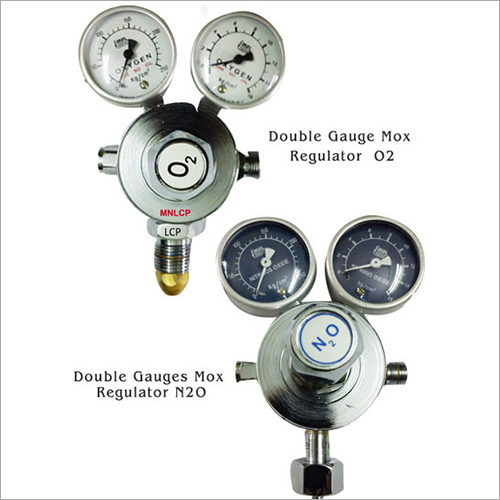
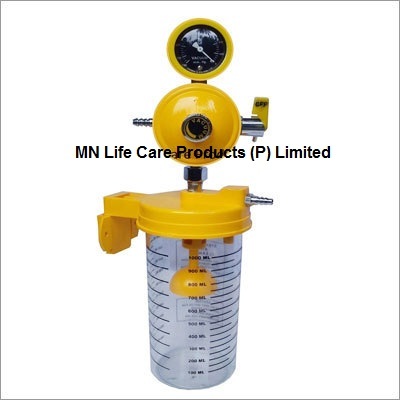
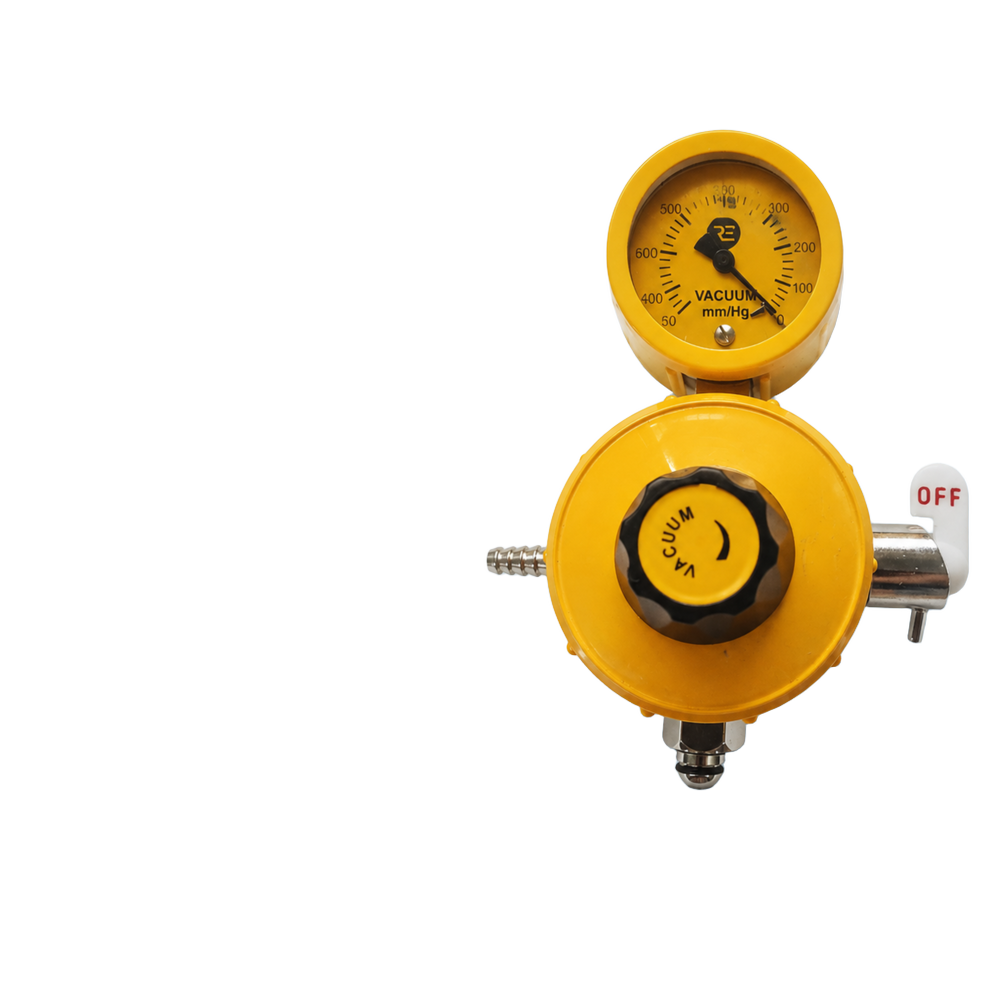
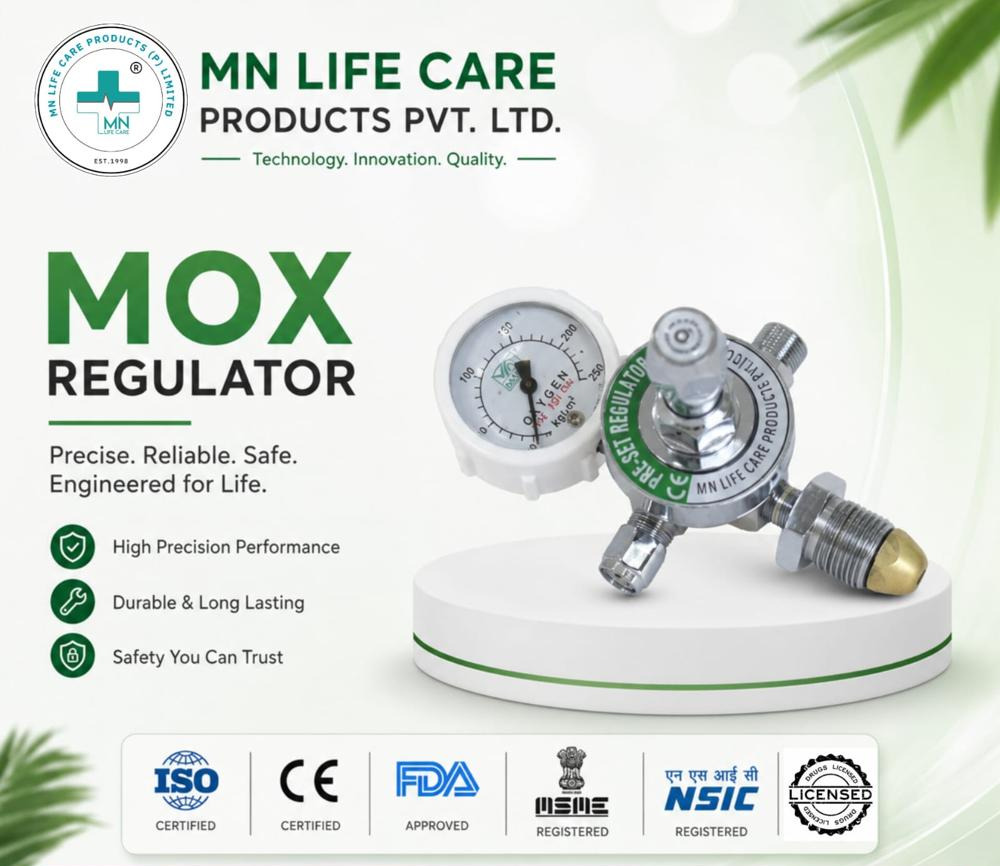
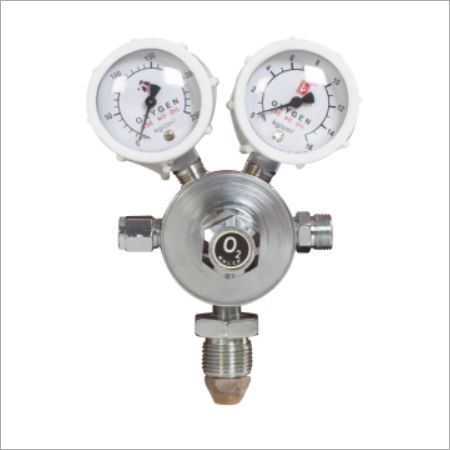
To give 100% assurance to the clients, we are engaged in manufacturing and supplying of an exclusive range of Medical Oxygen Regulator. These regulators are used to attach with oxygen cylinders to regulate and control the flow of gas. The body of the regulator is made of high quality brass materials and the spring is made of stainless steel. We can make the Medical Oxygen Regulator available for the clients in different models and specifications as per their requirements.
Salient Features:
- Sturdy construction
- Durable quality
- Easy to install
- Accurate reading
- Rust proof finishing
- Perfect fitting
Specifications:
- Body: Brass (100% Quality Materials with Metal Certificate)
- Spring: Stainless Steel
- Diaphragm: Rubber(100% Quality Materials)
- Pressure Gauge: 0-250 kg/cm2(Empl/Leonex)
- Pre-Set Regulator up to 60 psi
Robust Stainless Steel DesignThe medical gas regulators feature premium stainless steel construction, offering superior durability and resistance to corrosion. Their weight range between 250 and 1500 grams ensures they are easy to handle yet robust enough for frequent hospital, laboratory, and clinic use. This design supports both portability for on-site requirements and reliability for stationary applications.
Precision in Medical Gas AdministrationThese regulators are engineered for accurate control over medical gas flow, ensuring patient safety and optimal laboratory outcomes. Their compatibility with standard gas cylinders and usage versatility across different patient care and testing scenarios make them a trusted choice for healthcare providers in India.
FAQs of Medical Gas Regulators:
Q: How are medical gas regulators used in hospitals, laboratories, and clinics?
A: Medical gas regulators are attached to gas cylinders or supply lines to control and deliver a precise flow of gases like oxygen or nitrous oxide. They are vital for patient therapies, laboratory experiments, and other clinical processes requiring consistent gas delivery.
Q: What is the process for installing a medical gas regulator?
A: First, ensure the regulator matches the gas type and cylinder fitting. Securely attach the regulator to the gas cylinder, check for leaks, and adjust the flow rate using the rotatable knob. Regular inspections are advised to maintain safe and effective operation.
Q: When should medical gas regulators be serviced or replaced?
A: It is recommended to inspect and service these regulators regularly, typically every 6 to 12 months, or sooner if there is visible wear or malfunction. Replacement is necessary if the regulator shows signs of damage, leakage, or failure to maintain accurate pressure.
Q: Where can I purchase certified medical gas regulators in India?
A: Certified medical gas regulators are available from distributors, suppliers, manufacturers, and traders throughout India. Authorized dealers often provide installation and maintenance support, ensuring compliance with healthcare standards.
Q: What are the key benefits of using stainless steel medical gas regulators?
A: Stainless steel regulators offer excellent durability, resistance to corrosion, and prolonged operational life. These qualities contribute to reliable performance, reduced maintenance costs, and enhanced safety in demanding medical environments.
Q: How does the weight range impact the usage of medical gas regulators?
A: With weights from 250 to 1500 grams, the regulators blend portability and stability. Lighter models suit mobile setups or emergency kits, while heavier options are ideal for static use in hospital wards or laboratories, offering steadfast operation even with continuous use.










 Send Inquiry

 Send Inquiry

