Product Description
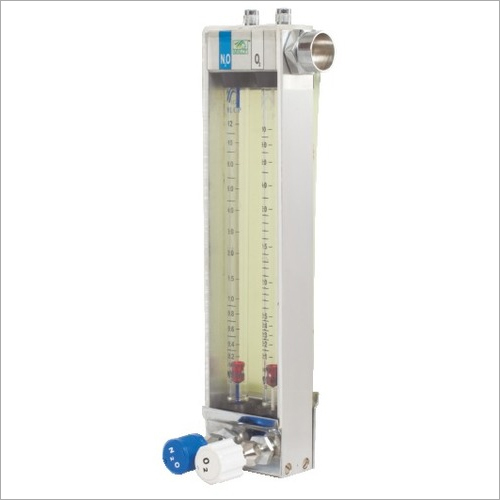
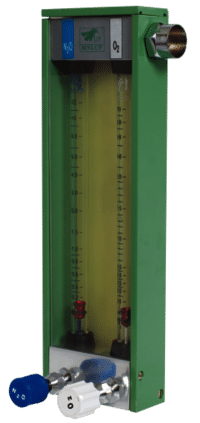
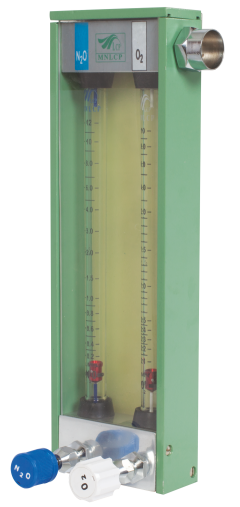
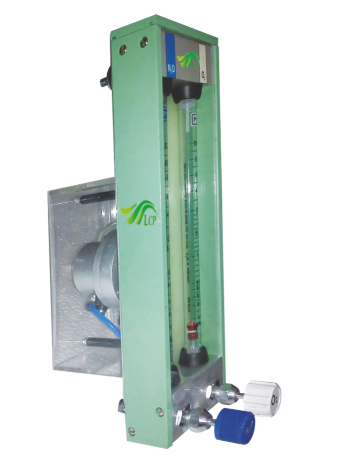
By keeping track with the market developments, we (MNLCP) are engaged in offering Anesthesia Rotameters. These rotameters are widely used in various hospitals and nursing homes for measuring oxygen flow in anesthesia machine. Although, our offered rotameters are manufactured by using great raw material and latest technology with the help of skilled professionals. We provide Small Anesthesia Rotameters in various medical applications in different specification given by our clients at nominal price.
Features:
- Easy installation
- Longer service life
- Accurate measurement
- Excellent performance
CERTIFICATE:
- FDA,CE,WHO-GMP, ISO13485, ISO 14001, ISO 9001, MSME Unit.
High Precision and DurabilityThese rotameters employ borosilicate glass tubes and mild steel bodies, offering excellent durability and corrosion resistance. With factory calibration, they ensure reliable and highly accurate gas flow measurements and control, making them suitable for demanding hospital and clinic environments.
Versatile and Universal MountingDesigned for panel or wall mounting, our rotameters are universally compatible with various anaesthesia machines, allowing easy integration in different setups. Standard medical fittings ensure hassle-free installation and adaptability for new or existing equipment.
Enhanced Safety and User ConvenienceSafety is prioritized through an overload pressure shut-off feature, preventing operational risks. The analog display provides direct and clear flow readings, while the needle valve enables precise control. The low-maintenance design ensures long-term, trouble-free service for clinicians.
FAQ's of Anaesthesia Rotameters:
Q: How do Anaesthesia Rotameters measure and regulate the flow of gases?
A: Anaesthesia Rotameters use a borosilicate glass tube and a precision needle control valve to measure and regulate the flow rate of oxygen (0.1-10 LPM) and nitrous oxide (0.1-5 LPM). The flow is read directly from the analog scale as gas passes through the float inside the tube.
Q: What is the process for installing these rotameters on anaesthesia machines?
A: Installation is straightforward due to panel or wall-mounting options and universal medical fittings. Simply connect the rotameter to the designated gas line on the anaesthesia machine, secure the mounting bracket, and verify calibration before use.
Q: When should I calibrate or maintain the rotameter?
A: These rotameters are factory calibrated and require minimal maintenance. Routine checks for cleanliness and physical integrity, along with periodic leak testing, are recommended as part of standard hospital protocols, usually at scheduled maintenance intervals.
Q: Where are these rotameters typically used?
A: Anaesthesia Rotameters are primarily used in hospitals and clinics within operating rooms, ICU setups, and procedure areas that require precise delivery and monitoring of anesthetic gases.
Q: What safety features are included with these rotameters?
A: A built-in overload pressure shut-off automatically intervenes if excessive pressure is detected, protecting both the device and users from potential hazards during anaesthesia procedures.
Q: How does the universal design benefit anesthesia equipment administrators?
A: The universal compatibility with numerous anaesthesia machine brands simplifies procurement, equipment integration, and inventory management, making it easier for administrators to standardize and maintain their medical gas delivery systems.
Q: What are the main benefits of using this model of anaesthesia rotameter?
A: The main benefits include high measurement accuracy (3%), corrosion-resistant and durable construction, precise manual control, direct analog display, low maintenance requirements, and robust safety mechanisms, all tailored for reliable daily use in medical environments.











 Send Inquiry

